Volunteer
The history of the transgender community and its role within broader LGBTQ culture is a narrative of profound resilience, evolving from life on the margins to a central position in the modern fight for human rights. While the transgender experience is distinct—focused on gender identity rather than sexual orientation—it is inextricably linked to the LGBTQ movement through shared spaces, shared struggles, and a mutual commitment to dismantling rigid societal norms.
The 21st century has seen a "transgender tipping point," characterized by increased visibility in media, politics, and law. This shift has allowed for a more nuanced understanding of gender as a spectrum rather than a binary. Within LGBTQ culture, this has sparked a necessary evolution: language has become more inclusive (moving from "gay rights" to "LGBTQ+ rights"), and the movement has begun to prioritize intersectionality—acknowledging how race, class, and disability intersect with gender identity.
Ultimately, transgender people do not just exist within LGBTQ culture; they define its most essential principle: the right to self-determination. By challenging the assumption that anatomy dictates destiny, the trans community pushes the entire movement—and society at large—toward a more expansive and authentic definition of freedom.
Despite this visibility, the community faces significant challenges. Transgender individuals, particularly trans women of color, experience disproportionately high rates of violence, housing instability, and healthcare discrimination. In many regions, legislative efforts to restrict gender-affirming care and public participation have created a climate of political volatility.
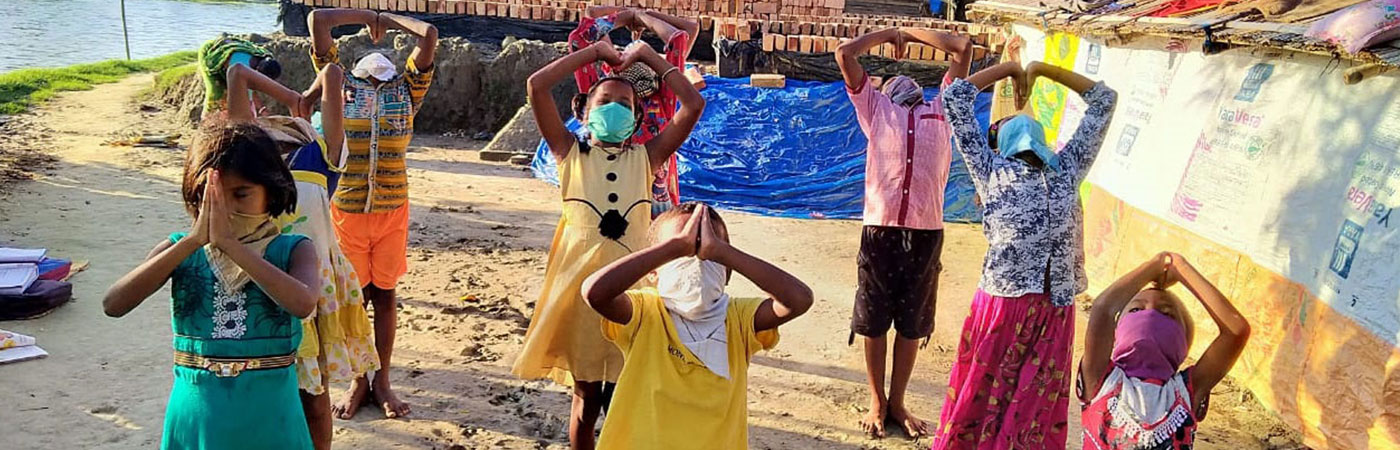
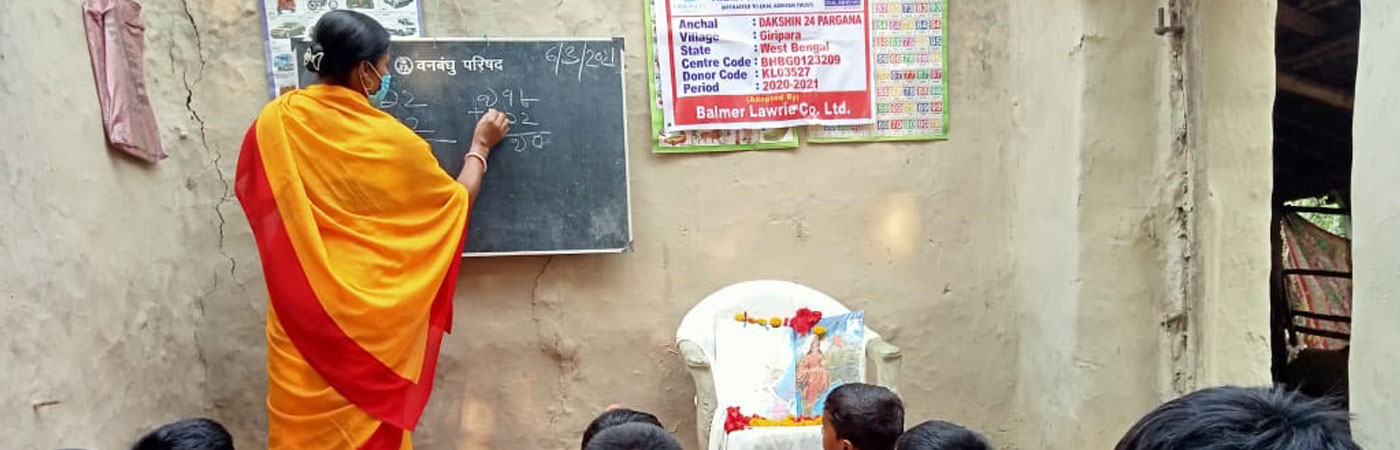
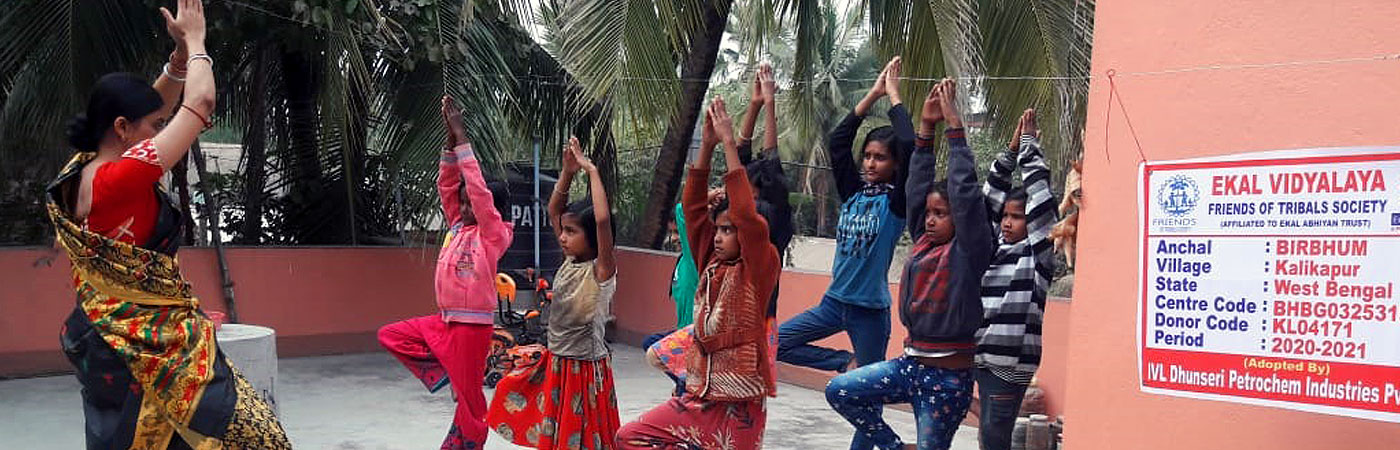


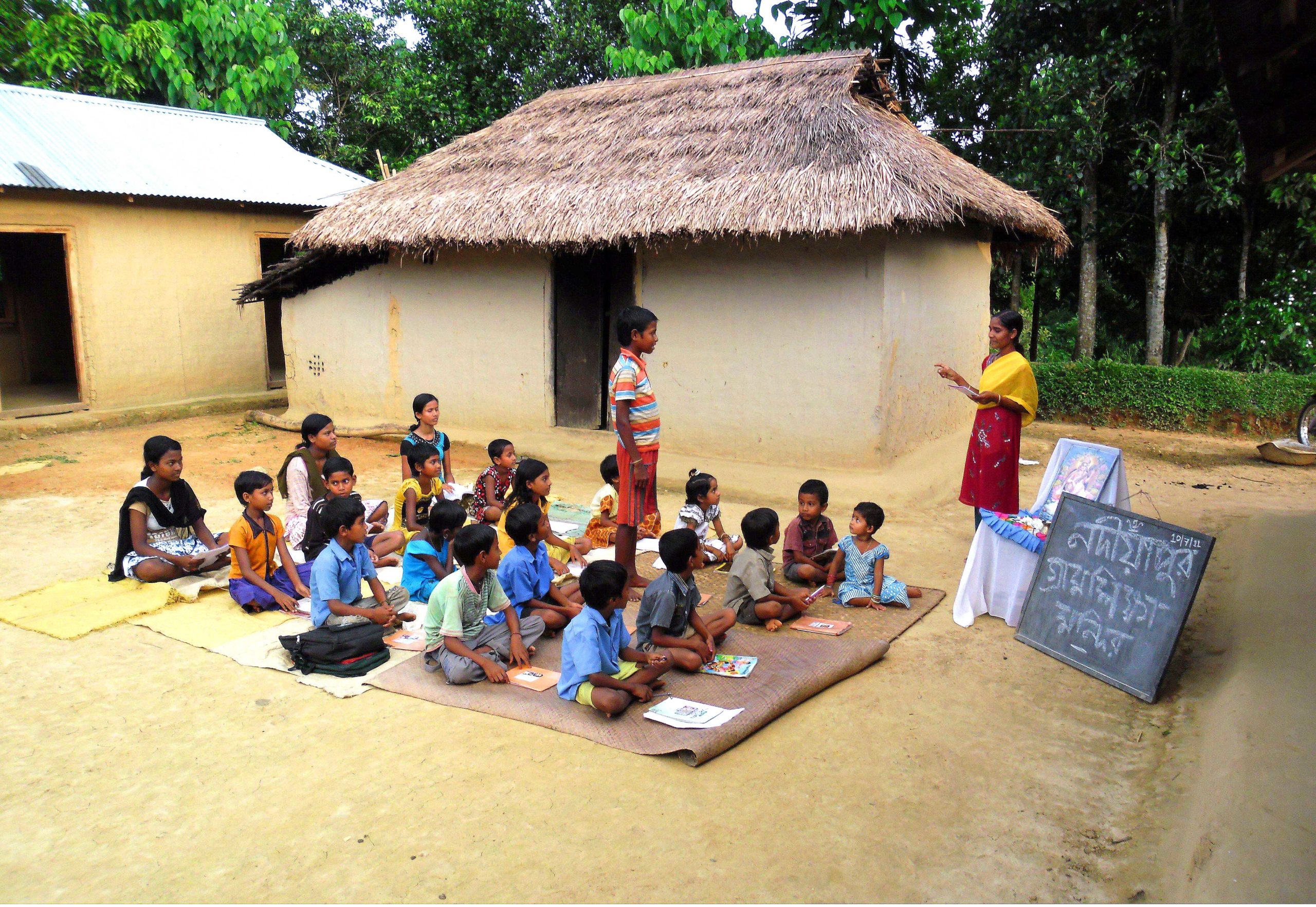

Our activities have been acknowledged with the prestigious Gandhi Peace Prize 2017 handed over by the President of India Shri Ram Nath Kovind along with the Prime Minister of India Shri Narendra Modi as on Oct, 2025


The history of the transgender community and its role within broader LGBTQ culture is a narrative of profound resilience, evolving from life on the margins to a central position in the modern fight for human rights. While the transgender experience is distinct—focused on gender identity rather than sexual orientation—it is inextricably linked to the LGBTQ movement through shared spaces, shared struggles, and a mutual commitment to dismantling rigid societal norms.
The 21st century has seen a "transgender tipping point," characterized by increased visibility in media, politics, and law. This shift has allowed for a more nuanced understanding of gender as a spectrum rather than a binary. Within LGBTQ culture, this has sparked a necessary evolution: language has become more inclusive (moving from "gay rights" to "LGBTQ+ rights"), and the movement has begun to prioritize intersectionality—acknowledging how race, class, and disability intersect with gender identity. teenage shemale picture
Ultimately, transgender people do not just exist within LGBTQ culture; they define its most essential principle: the right to self-determination. By challenging the assumption that anatomy dictates destiny, the trans community pushes the entire movement—and society at large—toward a more expansive and authentic definition of freedom. The history of the transgender community and its
Despite this visibility, the community faces significant challenges. Transgender individuals, particularly trans women of color, experience disproportionately high rates of violence, housing instability, and healthcare discrimination. In many regions, legislative efforts to restrict gender-affirming care and public participation have created a climate of political volatility. This shift has allowed for a more nuanced