: Critics like those at RogerEbert.com point out that Aaron Eckhart's "Monster" is significantly "beautified" compared to Shelley's original description, which changes the character's core tragedy from physical alienation to emotional isolation.
: Scholars often group the film with the Underworld series (also created by Kevin Grevioux) to study the "action-horror" subgenre. These critiques often focus on how the film replaces the novel's philosophical depth with a "turf war" between supernatural factions like gargoyles and demons. Core Elements Analyzed in Research Yo, Frankenstein (2014)
: Unlike the original novel, which is grounded in early science (galvanism), the 2014 film blends electro-physiology with supernatural "ascending" and "descending" mechanics, creating a hybrid of science fiction and high fantasy. : Critics like those at RogerEbert
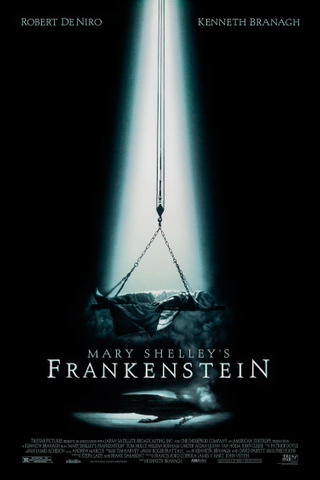
: The paper "The Monster in the Media: Assessing the Monstrous in Mary Shelley's Frankenstein and Stuart Beattie's I, Frankenstein" examines how definitions of "monster" shift based on a society's specific anxieties. It compares the 19th-century focus on scientific ambition to the film's contemporary focus on moral selflessness versus selfishness. Core Elements Analyzed in Research : Unlike the
Most research papers use the film as a case study for how modern cinema adapts classic literature into action-oriented "monster-as-superhero" narratives. Key Academic Themes and Papers
Major Cultural Event: I, Frankenstein (2014) - SportsAlcohol.com
If you are writing your own paper or looking for specific discussion points, these are the most commonly cited elements: