Tomodachi Game Episode 2 -

Analyse your recordings
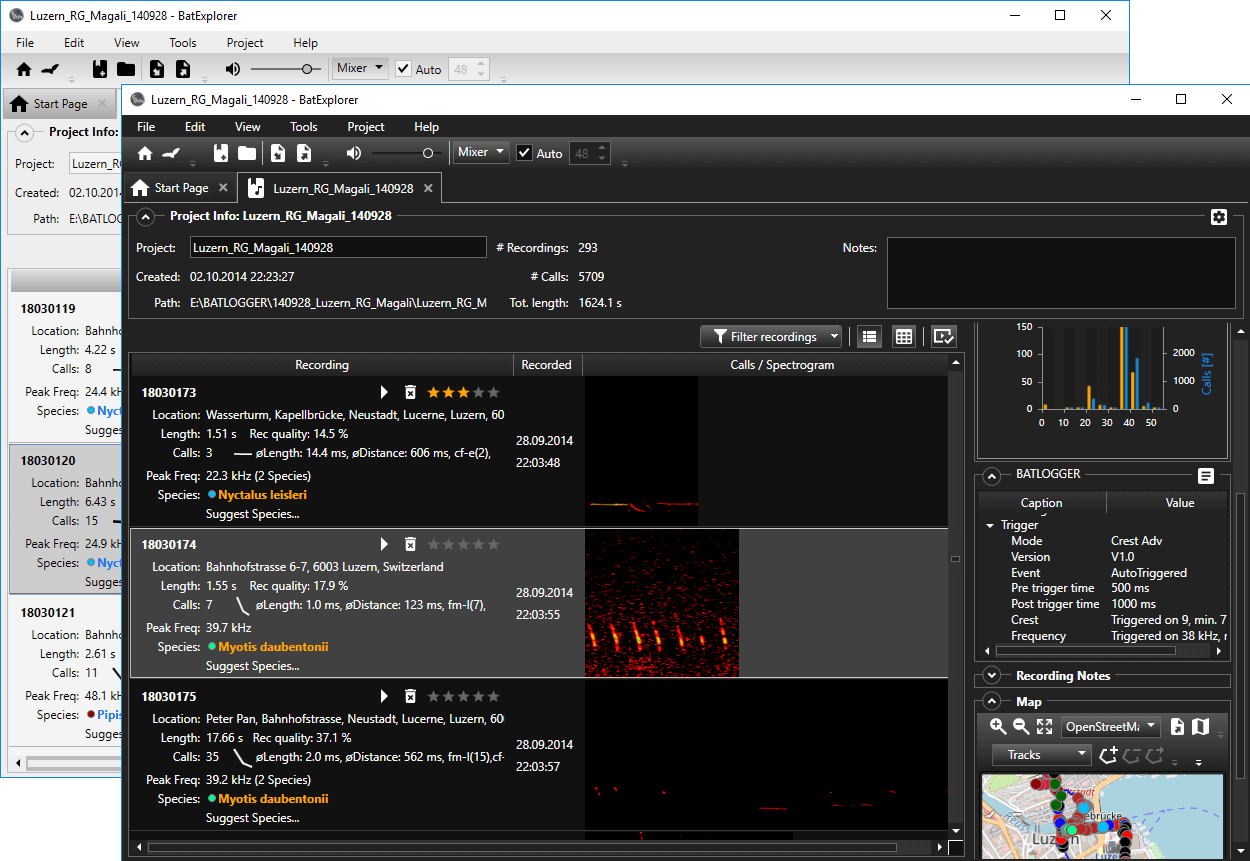
Organize recordings easily and fast
Automatic bat call detection
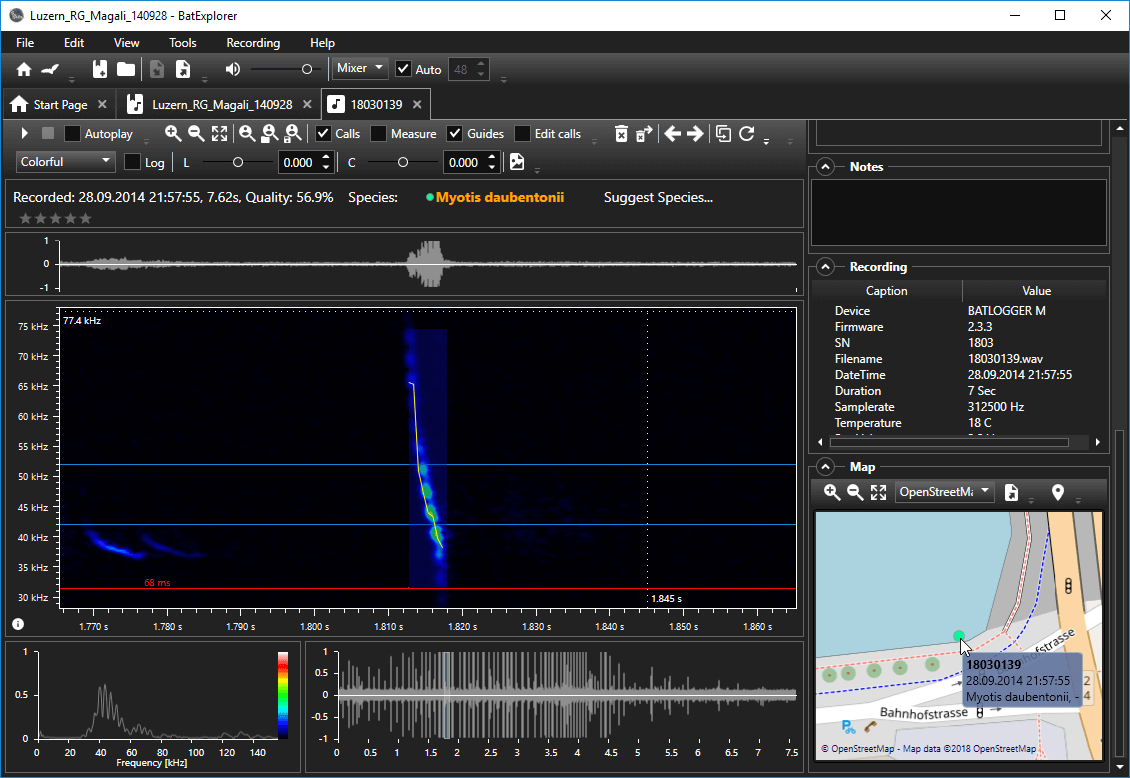
Listening, viewing and classifying recordings
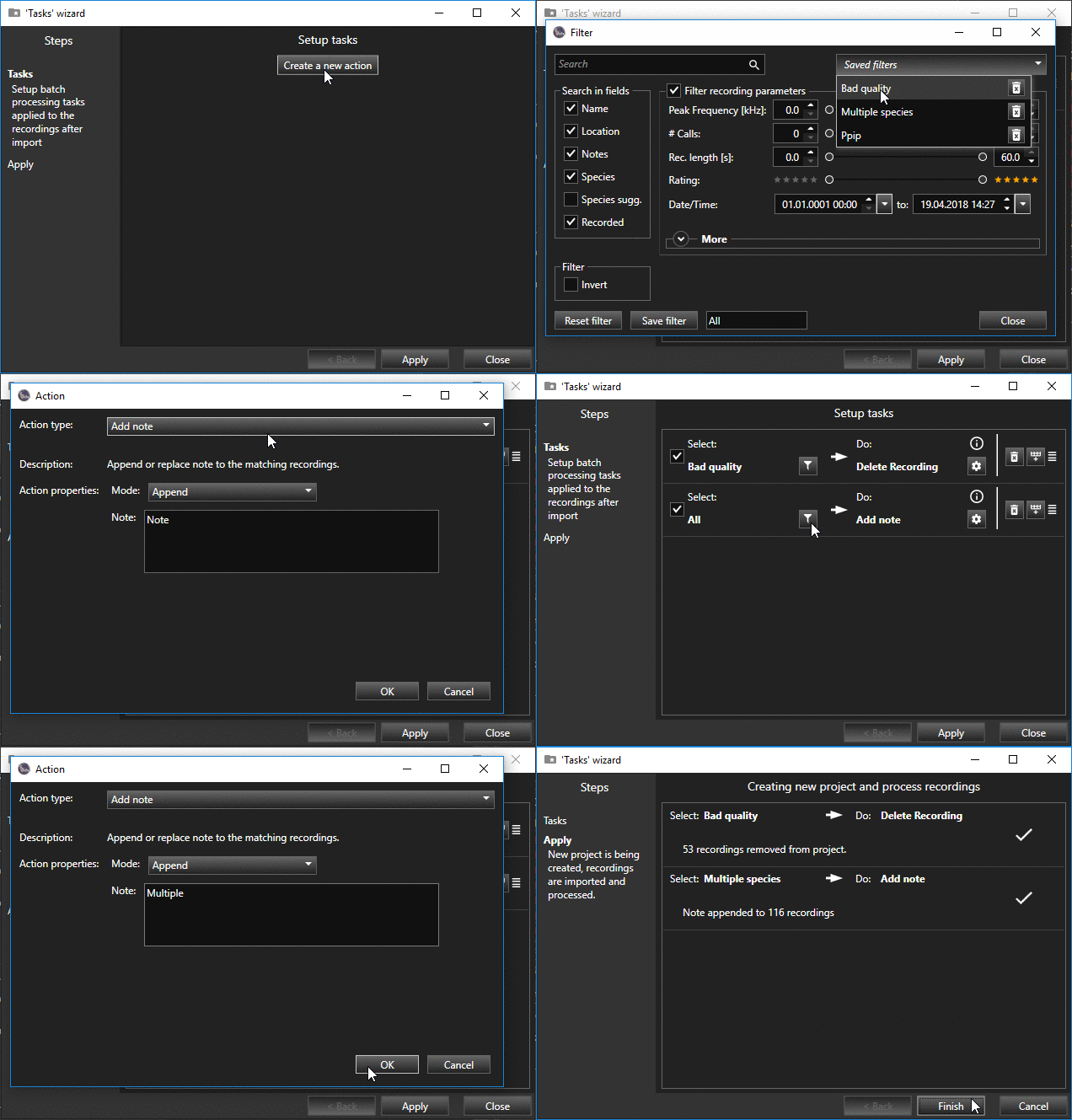
Automate recurring actions with tasks
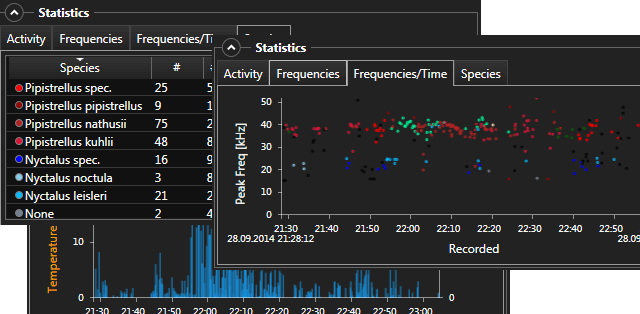
Bat species suggestions
Organize recordings easily and fast
Automatic bat call detection
Listening, viewing and classifying recordings
Automate recurring actions with tasks
Bat species suggestions
: This episode begins to hint at Yuuichi's darker, more calculative nature. His skepticism regarding his friends' "truthful" confessions sets the tone for his later strategic maneuvers.
: By the end of the episode, it becomes clear that someone is intentionally manipulating the submissions to target specific individuals, turning the game into a hunt for a mole. 4. Themes of Deception vs. Friendship Tomodachi Game Episode 2
: The game rewards betrayal. If a lie is told and proven, that person is punished by being moved closer to the "goal" (which increases their individual debt), creating a paradox where honesty is required to avoid financial ruin but destroys social bonds. : This episode begins to hint at Yuuichi's
The central theme is the fragility of trust. The episode poses the question: Is a friendship real if it cannot survive the truth? The "Bad-Mouth Game" acts as a catalyst, revealing that the "bond" between the five friends was based on a lack of information rather than genuine understanding. If a lie is told and proven, that
: The episode highlights how the fear of being "exposed" causes friends to preemptively suspect one another, effectively doing the administrators' work for them. 3. Key Character Dynamics
This outline for a paper on (titled "You Have a Lot to Say to Me, Don't You?") explores how the episode transitions the series from a high-stakes debt game into a psychological study of trust and manipulation. Abstract
The series premise centers on Yuuichi Katagiri and his four friends being forced into a survival game to pay off a massive debt. While Episode 1 established the rules, Episode 2 intensifies the emotional stakes by moving from simple physical cooperation to psychological warfare.
More information about the software can be found in the Online User Guide.