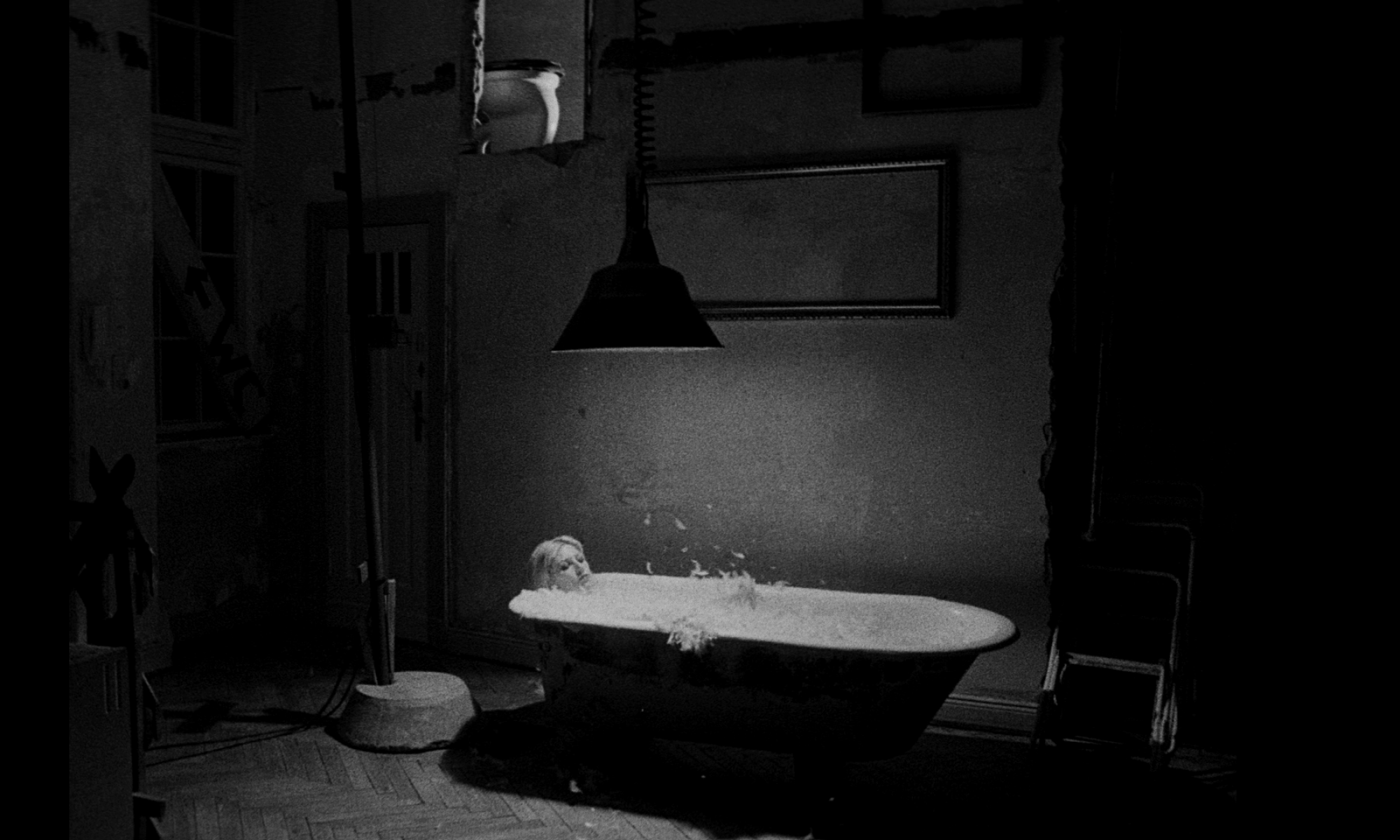
Nie-boska Komedia ❲iOS PREMIUM❳
A representative of the old aristocratic order, a tragic poet figure who values tradition and Christianity but is ultimately consumed by his own pride and the moral decay of his class.
The drama is famous for its , depicting social revolution not as a path to progress, but as a destructive force that wipes out traditional values. The conflict is personified by two leaders: NIE-BOSKA KOMEDIA
The ending features a supernatural intervention—the appearance of Christ—suggesting that human logic and revolution cannot solve the ultimate fate of humanity. A representative of the old aristocratic order, a
The leader of the revolutionary camp, an atheist who believes a "paradise" can only be built on the ruins of the old world through total destruction. Structure of the Drama The play is typically divided into two distinct parts: The leader of the revolutionary camp, an atheist
For more in-depth study, you can find a detailed summary and analysis at or explore its historical context via Wikipedia .
Shifts to the Trenches of the Holy Trinity , where the last aristocrats are besieged by the revolutionary army. This culminates in a famous ideological debate between Henryk and Pankracy. Key Characteristics