: The file supposedly deletes itself after one playthrough, leaving the computer permanently slowed.
: Upon unzipping the archive, players notice the file structure is wrong. Instead of standard game assets, there are encrypted logs and images of 18th-century battlefields that look disturbingly realistic.
In reality, Cossacks: European Wars was developed by GSC Game World (the same studio that created S.T.A.L.K.E.R. ). Because the game featured thousands of units on screen at once—a feat for 2001—it often pushed hardware to its limits, leading to graphical glitches that imaginative players transformed into ghost stories. Common Metadata in Stories File: Cossacks.European.Wars.zip ...
The story typically begins on an obscure gaming forum or a defunct FTP server where a user finds a file significantly larger or smaller than the retail version of the game.
In these stories, the .zip file usually contains a "haunted" or corrupted version of the game that begins to affect the player's computer or reality. Below is a narrative interpretation of the legend. The Legend of the "Ghost" Archive : The file supposedly deletes itself after one
: A "gifted" CD-R or a link found on a "deep web" archive.
The mysterious file name is often associated with "lost media" creepypastas or urban legends surrounding the classic 2001 real-time strategy game Cossacks: European Wars . In reality, Cossacks: European Wars was developed by
If you are looking for specific details found in these digital horror threads, they often include: : 666 MB (a classic trope).
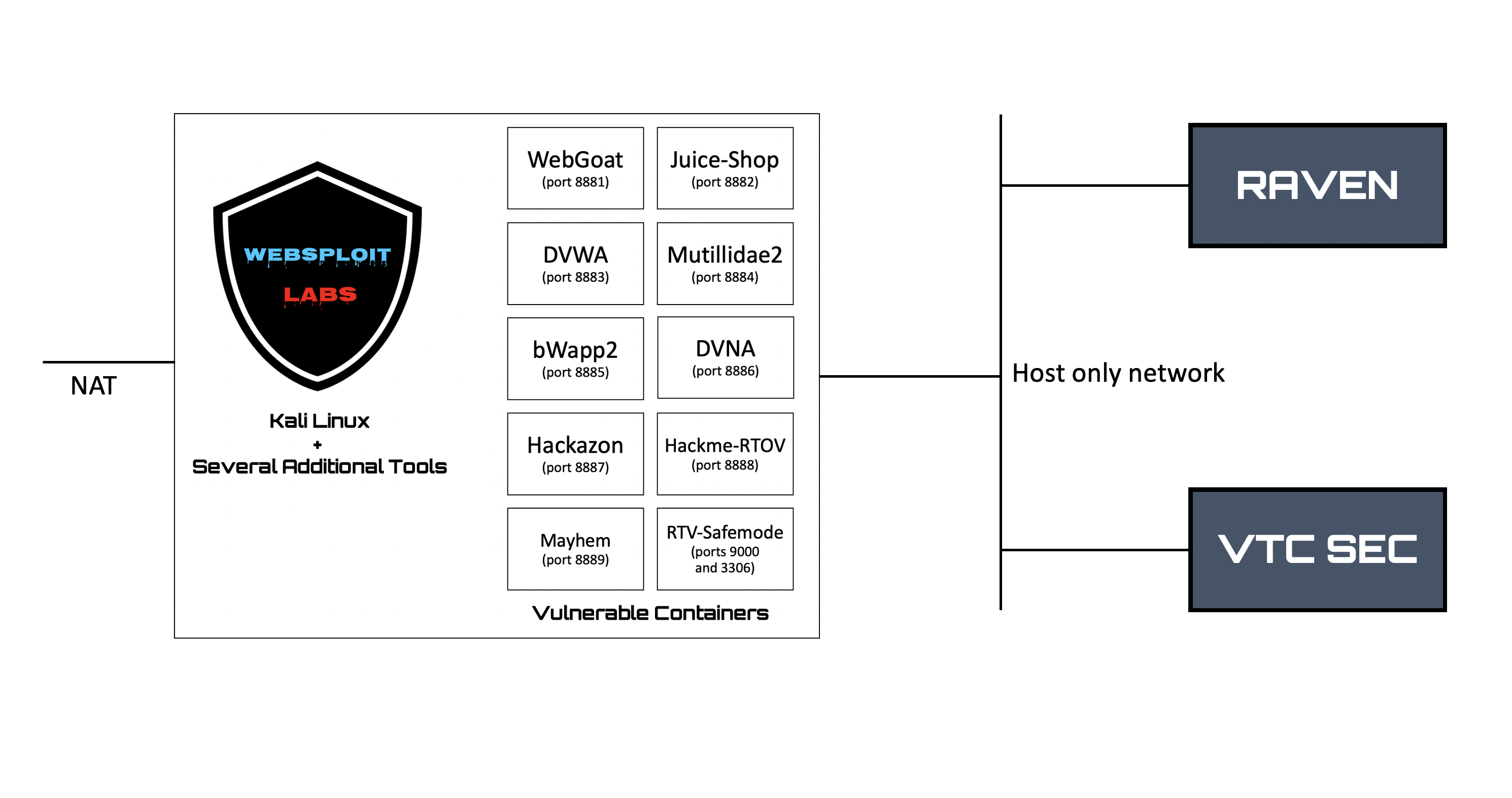
Kali + Additional Tools + Vulnerable Applications in Docker containers...
A vulnerable VM that you will use to perform a full assessment (from reconnassaince to full compromise)
Another vulnerable VM that you will use to perform a full assessment (from reconnassaince to full compromise)
This video explains how to setup the virtual machines in your system using Virtual Box.
The diagram below shows the lab architecture with WebSploit Full version, Raven, and VTCSEC. The VMs were created in Virtual Box. It is highly recommended that you use Virtual Box. However, if you are familiar with different virtualization platforms, you should be able to run the VMs in VMWare Workstation Pro (Windows), VMWare Fusion (Mac), or vSphere Hypervisor (free ESXi server).
You should create a VM-only network to deploy your vulnerable VMs and perform several of the attacks using WebSploit (Kali Linux), as shown in the video above. You can configure a separate network interface in your WebSploit VM to connect to the rest of your network and subsequently the Internet. Preferably, that interface should be in NAT mode.
Stay in Touch with Omar!