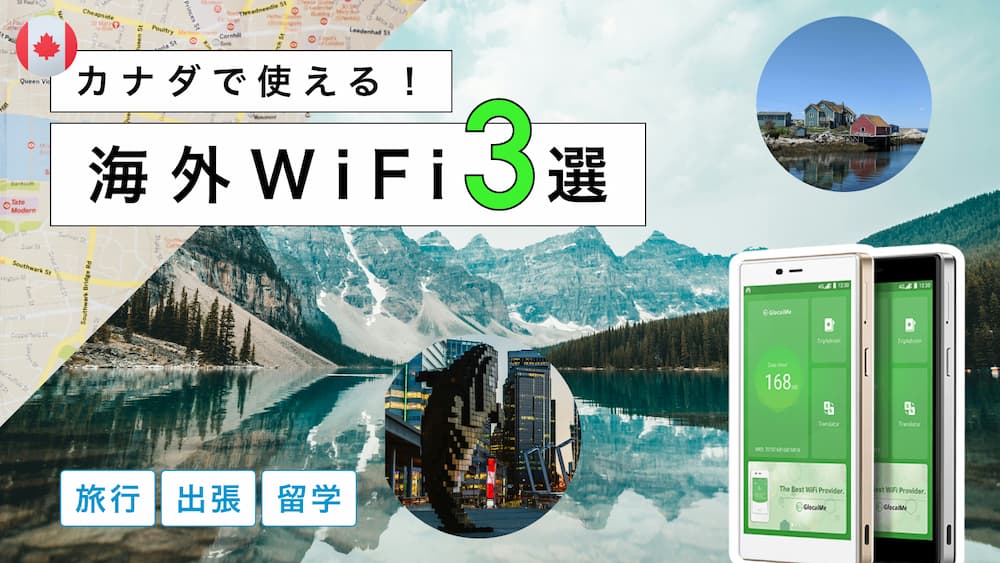

マレーシアにおすすめの海外WiFiレンタル3選!選び方から注意点までわかりやすく解説
warorince
Nomad SIM Media
Your camera might think the scene is too bright and darken it, making snow look gray. Dial in positive EC (+1.0 to +2.0) to keep the whites white.
In digital video, it is often better to protect your highlights (like the sky) and lift the shadows later in editing, rather than blowing out the sky completely.
Use the histogram on your screen to ensure your highlights aren't "clipping" (touching the far right edge), which means you're losing detail in the brightest areas.
This guide outlines how to use effectively for outdoor videography, specifically for managing challenging lighting conditions like bright sunlight or deep shadows. What is Exposure Compensation (EC)?
On very bright days, even with a low ISO and fast shutter, your image may still be too bright. Use an (essentially sunglasses for your lens) to reduce the light reaching the sensor without changing your artistic settings. Tips for Professional Outdoor Video
If your camera supports them, enable Zebra stripes to highlight overexposed areas in real-time. Use Neutral Density (ND) Filters
Exposure Compensation is a tool that allows you to override your camera's automatic metering. Because cameras often try to expose for "middle gray," they may underexpose bright outdoor scenes (like a snowy field) or overexpose dark ones (like a shaded forest). Step-by-Step Guide for Outdoor Exposure
Your camera might think the scene is too bright and darken it, making snow look gray. Dial in positive EC (+1.0 to +2.0) to keep the whites white.
In digital video, it is often better to protect your highlights (like the sky) and lift the shadows later in editing, rather than blowing out the sky completely. EC - Outdoor Exposure.mp4
Use the histogram on your screen to ensure your highlights aren't "clipping" (touching the far right edge), which means you're losing detail in the brightest areas. Your camera might think the scene is too
This guide outlines how to use effectively for outdoor videography, specifically for managing challenging lighting conditions like bright sunlight or deep shadows. What is Exposure Compensation (EC)? Use the histogram on your screen to ensure
On very bright days, even with a low ISO and fast shutter, your image may still be too bright. Use an (essentially sunglasses for your lens) to reduce the light reaching the sensor without changing your artistic settings. Tips for Professional Outdoor Video
If your camera supports them, enable Zebra stripes to highlight overexposed areas in real-time. Use Neutral Density (ND) Filters
Exposure Compensation is a tool that allows you to override your camera's automatic metering. Because cameras often try to expose for "middle gray," they may underexpose bright outdoor scenes (like a snowy field) or overexpose dark ones (like a shaded forest). Step-by-Step Guide for Outdoor Exposure