13 December
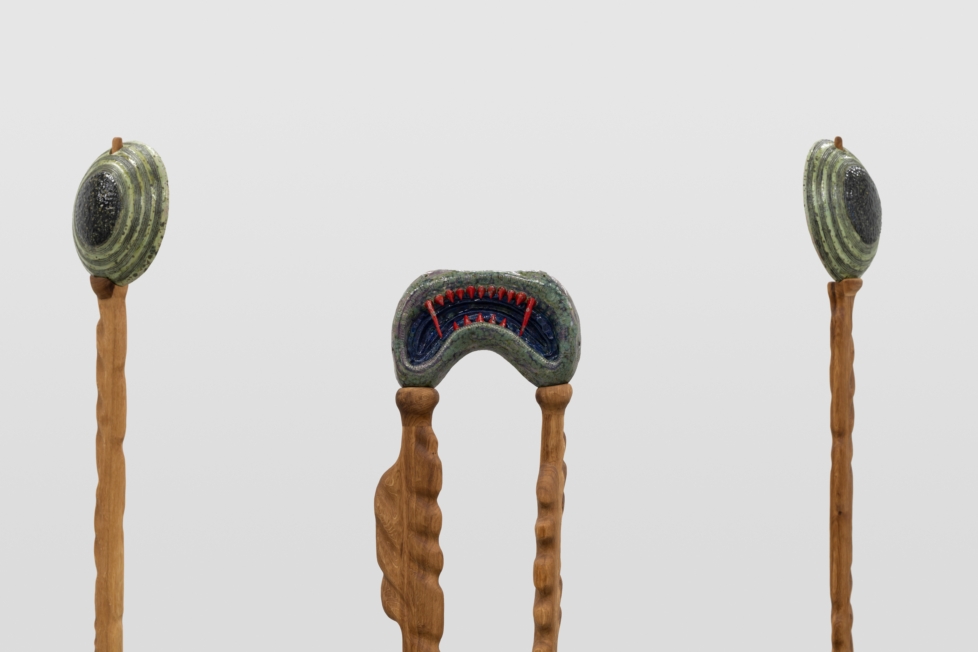
This year, artist Tue Greenfort found shelter at a biennial in the far north.
The core of "Part 1" is the rejection of the "official" story. The police have ruled Landry’s death a suicide, a narrative that fits the public's perception of a "troubled star." However, Strike’s investigation begins to peel back these labels, treating Landry not as a headline, but as a person with complex, private motivations. This theme of looking past the public facade is what gives the series its emotional weight.
Directed by Michael Keillor, the episode uses a muted, cool-toned palette that emphasizes the loneliness of the characters. The cinematography often isolates Strike in wide shots of the city or tight, cluttered frames of his office, reinforcing his status as a man living on the margins. The pacing is deliberate, prioritizing atmosphere and subtle interrogation over high-speed action, which honors the "whodunit" tradition of building suspense through incremental discovery. Theme of Perception vs. Reality
represents the untapped potential of an ordinary person thrust into extraordinary circumstances, her quick wit proving essential to navigating the social complexities of the case. Visual Storytelling and Tone
represents the traditional "hardboiled" detective, defined by his resilience and refusal to buy into celebrity culture.
In "The Cuckoo’s Calling: Part 1" (2017), the series premiere of C.B. Strike , the narrative masterfully establishes a gritty, modern noir atmosphere that strips away the polished veneer of London's elite. Adapted from Robert Galbraith’s (J.K. Rowling) novel, the episode serves as a character-driven introduction to Cormoran Strike, a physically and emotionally scarred war veteran turned private investigator. The Intersection of Two Worlds
The episode’s central tension lies in the collision between Strike’s world—a cramped, debt-ridden office above a London street—and the hyper-glamorous, superficial world of Mayfair fashion. By investigating the death of supermodel Lula Landry, Strike acts as the "outsider" lens through which the audience views the toxicity of fame. The narrative suggests that beneath the beauty and wealth of Landry's circle lies a pervasive rot of greed and isolation. Character Dynamics and the "Watson" Archetype
The introduction of Robin Ellacott is the episode’s structural anchor. While Strike provides the cynical, seasoned perspective, Robin provides the curiosity and competence that revitalizes the detective’s stagnant life. Their dynamic is a fresh take on the classic Holmes-Watson partnership:



The core of "Part 1" is the rejection of the "official" story. The police have ruled Landry’s death a suicide, a narrative that fits the public's perception of a "troubled star." However, Strike’s investigation begins to peel back these labels, treating Landry not as a headline, but as a person with complex, private motivations. This theme of looking past the public facade is what gives the series its emotional weight.
Directed by Michael Keillor, the episode uses a muted, cool-toned palette that emphasizes the loneliness of the characters. The cinematography often isolates Strike in wide shots of the city or tight, cluttered frames of his office, reinforcing his status as a man living on the margins. The pacing is deliberate, prioritizing atmosphere and subtle interrogation over high-speed action, which honors the "whodunit" tradition of building suspense through incremental discovery. Theme of Perception vs. Reality "C.B. Strike" The Cuckoo's Calling: Part 1(2017)
represents the untapped potential of an ordinary person thrust into extraordinary circumstances, her quick wit proving essential to navigating the social complexities of the case. Visual Storytelling and Tone The core of "Part 1" is the rejection
represents the traditional "hardboiled" detective, defined by his resilience and refusal to buy into celebrity culture. Directed by Michael Keillor, the episode uses a
In "The Cuckoo’s Calling: Part 1" (2017), the series premiere of C.B. Strike , the narrative masterfully establishes a gritty, modern noir atmosphere that strips away the polished veneer of London's elite. Adapted from Robert Galbraith’s (J.K. Rowling) novel, the episode serves as a character-driven introduction to Cormoran Strike, a physically and emotionally scarred war veteran turned private investigator. The Intersection of Two Worlds
The episode’s central tension lies in the collision between Strike’s world—a cramped, debt-ridden office above a London street—and the hyper-glamorous, superficial world of Mayfair fashion. By investigating the death of supermodel Lula Landry, Strike acts as the "outsider" lens through which the audience views the toxicity of fame. The narrative suggests that beneath the beauty and wealth of Landry's circle lies a pervasive rot of greed and isolation. Character Dynamics and the "Watson" Archetype
The introduction of Robin Ellacott is the episode’s structural anchor. While Strike provides the cynical, seasoned perspective, Robin provides the curiosity and competence that revitalizes the detective’s stagnant life. Their dynamic is a fresh take on the classic Holmes-Watson partnership:
This year, artist Tue Greenfort found shelter at a biennial in the far north.
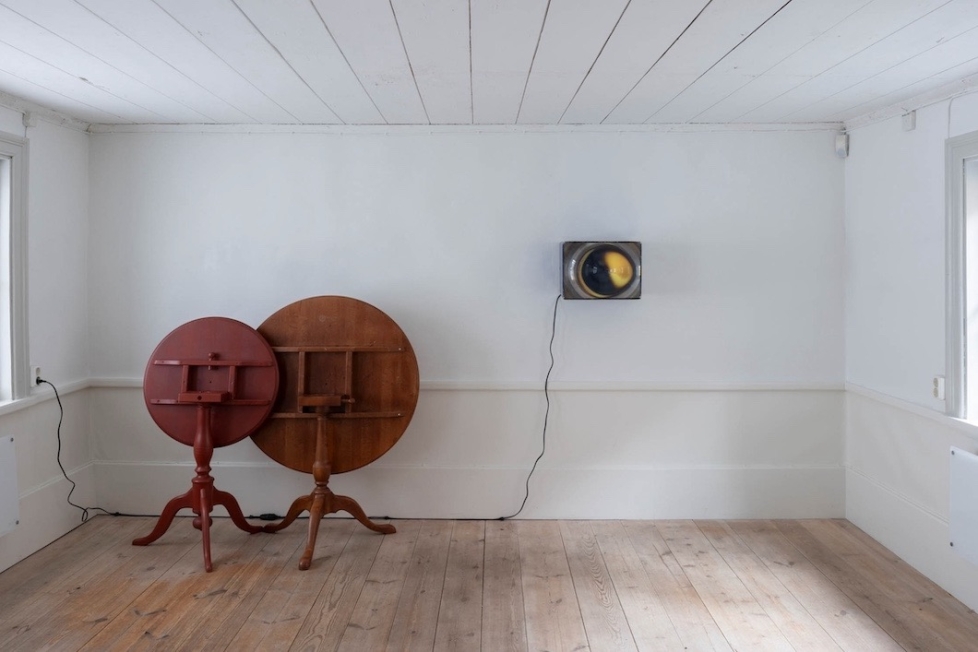
Kunstkritikk’s Abirami Logendran shares three art encounters that stayed with her this year.
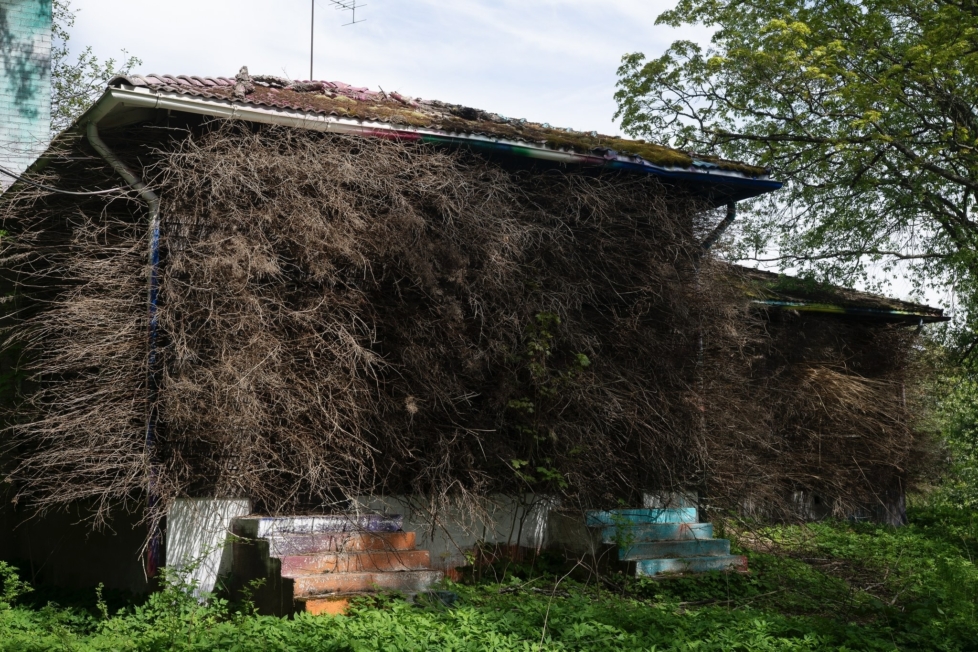
Art critic Nora Arrhenius Hagdahl recalls this year’s magical Narnia moments.