After Marriage In The Long Eighteenth Century: ... -
After Marriage In The Long Eighteenth Century: ... -
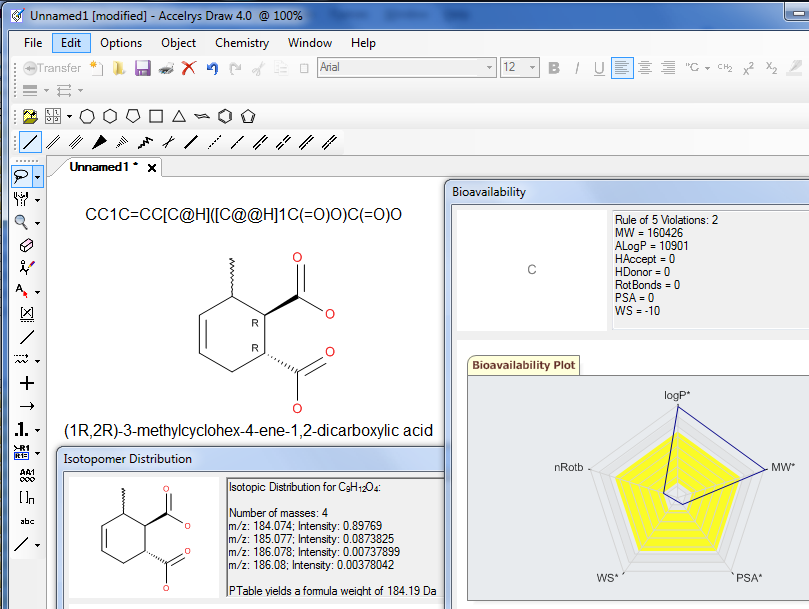 |
With the
same look-and-feel as ISIS/Draw, Accelrys Draw delivers speed and
efficiency to your chemical drawing experience.
Accelrys Draw can easily swap out existing ISIS/Draw or ChemDraw applications. |
|
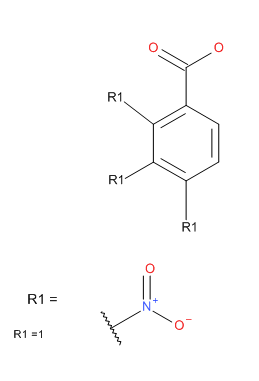
After Marriage In The Long Eighteenth Century: ... -Click here for more details about Rgroups, an example, and a detailed procedure how to draw a Markush query. To draw a Markush query:
|
|
|
| Generic Structure
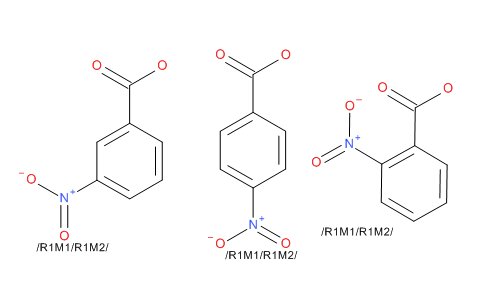
Enumerator The enumerator works against structures defined using the Rgroup tool in Accelrys Draw. In this mode you specify a scaffold with a number of Rgroup labels, then to add fragments to the Rgroup identifiers. The Add-in will calculate the complete set of structures that the Rgroups define. You can also define a generic region using the Sgroup tool. Draw the basic structure and using the Sgroup tool, drag a pair of brackets around a region that is repeated in the substance. From the dropdown select ‘generic’ for the bracket type, then select apply and exit from the dialog. Right click on one of the brackets and select the Attach Data option. In the dialog enter REPEATRANGE into the Field description box, and then enter the range in the Data box; leave the Search Operator set to none; the Tag field is optional. A contiguous range is required in the Data box, for example 3-6. A structure can contain both Rgroup definitions and Sgroup definitions, but they cannot overlap or be nested. You have the option to enumerate on to Accelrys Draw’s canvas, into an SDfile, or into an Isentris for Excel compatible spreadsheet. |
 |
|
After Marriage In The Long Eighteenth Century: ... -Despite these restrictive laws, the eighteenth century saw a significant cultural shift toward the . Influenced by Enlightenment ideals and the rise of sensibility, marriage began to be marketed—if not always practiced—as a union of "kindred spirits." The period moved away from strictly arranged dynastic matches toward unions based on mutual affection and esteem. Perhaps the most sobering aspect of marriage in this period was its . Divorce was almost impossible for the majority of the population. Until the mid-19th century, a full divorce (allowing remarriage) required a private Act of Parliament—a process so expensive it was reserved for the ultra-wealthy. For others, the only options were "separation from bed and board" (which did not allow remarriage) or, in the lower classes, the informal and legally dubious practice of "wife selling" or simple desertion. Conclusion After Marriage: The Realities of Domestic Life in the Long Eighteenth Century After Marriage in the Long Eighteenth Century: ... This legal "death" meant that a wife’s daily existence was entirely dependent on her husband’s character. While wealthy families often used pre-marital settlements and "separate maintenance" agreements to protect a woman’s dowry, the average woman found herself without a safety net. If a husband was a gambler or an alcoholic, the law offered the wife little recourse to protect her children’s inheritance or her own earnings. The Rise of the Companionate Ideal In practice, this created a new set of domestic pressures. Couples were now expected to find emotional fulfillment within the home. Letters and diaries from the period show spouses navigating this transition, often struggling to balance the traditional hierarchy of male headship with the new demand for emotional intimacy. The home was increasingly viewed as a "private sphere," a refuge from the burgeoning industrial world, placing a heavy emotional burden on the wife to maintain domestic harmony. Domestic Management and Motherhood Despite these restrictive laws, the eighteenth century saw In the popular imagination, the "Long Eighteenth Century" (c. 1688–1815) often begins and ends with the courtship plot. From the novels of Samuel Richardson to those of Jane Austen, the "happily ever after" is frequently signaled by the wedding ceremony. However, for those living during this era, the wedding was not an end, but the beginning of a complex, often fraught negotiation of legal identity, social standing, and emotional survival. Life after marriage was defined by the rigid legal doctrine of coverture, the shifting ideals of "companionate marriage," and the stark realities of domestic management. The Legal Shadow: Coverture The most defining feature of post-marital life, particularly for women, was the legal principle of . As codified by William Blackstone in his Commentaries on the Laws of England , "the very being or legal existence of the woman is suspended during the marriage." Upon saying "I do," a woman became a feme covert . Her legal identity was subsumed by her husband; she could not own property in her own name, sign contracts, or sue or be sued. Divorce was almost impossible for the majority of For most women, life after marriage was defined by the relentless demands of . In an era before reliable contraception, marriage almost inevitably led to a cycle of pregnancy, childbirth, and nursing. High infant mortality rates meant that the emotional labor of motherhood was frequently intertwined with the trauma of grief. |
http://accelrys.com/products/informatics/cheminformatics/draw/add-ins.html | |
Chemical Drawing Programs – The Comparison of Accelrys (Accelrys) Draw, ChemDraw, DrawIt, ACD/ChemSketch and Chemistry 4-D DrawUniversity of Debrecen, POB 70, H-4010 Debrecen, Hungary, e-mail: Last major update : 1.11.2011 If you have any comment, do not hesitate to contact the author at the above adress. |
http://dragon.klte.hu/~gundat/rajzprogramok/dprog.html |